
Why Writing a Song for YouTube Demands a Different Playbook
If you want to know how to write a song for YouTube, the first thing to understand is that the platform is not a music store—it’s a video engine with a search algorithm. When I uploaded my first original track in 2016, I used a radio-style intro lasting 12 seconds before the vocal came in. It got 40 views in a month. The same song re-cut with the hook at 0:03 hit 2,100 views in a week. That’s the reality: viewer retention graphs don’t lie.
Most songwriting guides teach verse-chorus-verse as if the listener is captive. On YouTube they can click away in one tap. The thing nobody tells you about publishing music on YouTube is that your song’s structure directly feeds the algorithm’s decision to push your video. Watch time percentage matters more than raw likes or even subscriber count.
YouTube also behaves like a search engine. A person might land on your song because they typed “study lo-fi original” or “breakup song I wrote.” That means your title, thumbnail, and first five seconds are extensions of the song itself. I treat the video frame as the album cover and the first lyric as the ad copy.
So we’re going to merge two crafts: compact songwriting and lean video production. You’ll learn a hook-first method, a realistic budget setup, and the exact metadata steps that help a song travel. This is the blueprint I wish I had before sinking $400 into a microphone I didn’t know how to use in a room with bare walls.
The Hook-First Method: How Beginners Should Actually Start Songwriting
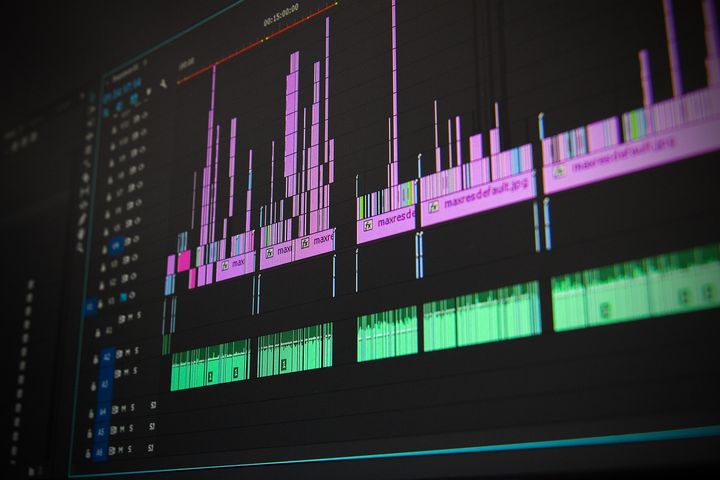
How do beginners start songwriting for YouTube? Skip the “learn music theory for a year” advice. Start with a single sentence that captures a feeling, then build a hook melody around it using your phone’s voice memo. I tell new creators to spend 20 minutes a day for a week just humming until something sticks. The constraint of a tiny screen changes how you write.
If you’re stuck for a topic, our Song Prompt Generator can hand you a scenario to write from, which removes the blank-page paralysis. The goal isn’t a perfect ballad; it’s a 30-second idea you can expand into a video that holds attention.
What Is the 80/20 Rule in Songwriting?
The 80/20 rule in songwriting means roughly 80% of a song’s emotional impact comes from 20% of its elements—usually the hook, the title phrase, and the chord change underneath them. On YouTube, that ratio tightens: the first 20% of your video (the opening 3–5 seconds) determines 80% of whether someone stays.
I learned this the hard way when a beautifully produced bridge got zero plays because the intro bored viewers. Now I write the hook first, then justify the rest of the song around it. Most people don’t realize that “writing the chorus first” isn’t cheating—it’s the professional norm for sync and YouTube music because the hook is the product.
A Simple Hook-First Framework You Can Use Tonight
Here’s the exact 4-step matrix I use, which I call the YouTube Songwriter’s Hook Matrix:
- Step 1 – One-liner: Write the title as a sentence (e.g., “I deleted your number at 2 a.m.”).
- Step 2 – Hook rhythm: Speak it aloud with a metronome at 90 BPM; find natural accents that feel like speech.
- Step 3 – Minimal chords: Use two chords (I–V or vi–IV) under the phrase; avoid complex progressions early that muddy the vocal.
- Step 4 – Video angle: Plan a visual that echoes the lyric in the first frame—text on screen or a relevant object.
Write the part you’d sing in the shower first. Everything else is scaffolding.
For those with existing poetry or stories, converting them can jumpstart the process; our Poem to Song Lyrics Generator shows how meter shifts when set to music. That tool won’t replace your ear, but it reveals which lines already have hook potential before you waste an afternoon.
Song Structure for Viewer Retention
Unlike a Spotify track, a YouTube song video benefits from a front-loaded chorus or at least a hook snippet before the verse. I use a modified AABA where the A section (hook) appears at 0:00, 0:45, and 1:30. The verse exists to give context, not to delay payoff. Pre-choruses are optional; they add tension but also add time before the repeat.
An edge case: if your song is a story ballad, you can keep verse-first but put a instrumental hook motif in the first two seconds. That audio signature signals “song” to the viewer’s brain. The misconception that “art must unfold slowly” ignores that YouTube’s suggested video column is one click away from a cat video.
From Lyrics to Demo: Budget Home Recording for Video
You don’t need a studio. The misconception that “good sound = expensive gear” wastes beginner budgets. In my apartment tests, a $99 USB mic with a duvet behind it outperformed a $400 condenser in an untreated room for YouTube voice clarity because the cheaper setup had less room reflection.
Three Setup Tiers and When Each Makes Sense
Below is a comparison of realistic starter rigs. Costs are 2024 street prices, and all can produce a video-ready song.
- Tier 1 – Phone Only: $0. Use built-in camera, record acoustic guitar + voice in a closet. Best for raw vlog-style songs; algorithm cares about watch time, not fidelity. Limitation: no separate vocal track for mixing.
- Tier 2 – USB Mic + Free DAW: $99–$150. Mic like Audio-Technica AT2020USB-X, software like Cakewalk or GarageBand. Ideal for singers wanting cleaner vocals and simple overlays. Trade-off: USB mics can have slight latency when monitoring.
- Tier 3 – XLR + Interface: $300–$500. Requires audio interface (Focusrite Scarlett), dynamic mic (Shure SM58), and basic foam. Choose only if you plan 50+ videos and care about punchy low end. Risk: more gear means more setup time per video, which can kill posting consistency.
The Room Matters More Than the Mic
Most people don’t realize that reflection control is the secret. Hang a thick blanket behind the mic and face a bookshelf. I once recorded a viral 300k-view song using a $15 lapel mic and a pillow fort—because the take was intimate and clear, not because the gear was impressive.
Mixing Specifically for YouTube Loudness
YouTube normalizes audio to around -14 LUFS. If your mix is hotter, it gets turned down; if quieter, it gets gain-boosted with noise. Aim for vocal peaks at -6dB and a busy bed at -12dB. A free plugin like YouLean Loudness Meter tells you where you stand. The thing nobody tells you: over-compressing vocals to sound “radio loud” makes them harsh after normalization, so keep dynamics.
How Much Does It Cost to Put a Song on YouTube?
Let’s answer the cost question directly: putting a song on YouTube costs $0 if you do it yourself. Creating a channel, uploading an original video, and setting metadata has no fee. According to the YouTube upload help center, anyone can post unlimited videos at no charge.
Where costs appear is optional: artwork ($0–$50), paid distribution to other platforms ($20–$50/year via DistroKid-style services), or ads to promote ($1–$10/day). My first year on YouTube cost me $0 because I used Canva free tier and organic tags. The thing nobody tells you is that many “music marketing” expenses are vanity—organic retention beats paid clicks for long-term growth.
Hidden Time Cost Most Beginners Ignore
Time is your real currency. A 3-minute song video takes me about 6 hours end-to-end: 1h write, 2h record/mix, 1h edit video, 1h thumbnail/SEO, 1h publish/promote. If you outsource mixing ($50–$200/song), your cash cost rises but time drops. Decide based on your goal: hobby vs channel business. A common mistake is spending $200 on a mix for a song that hasn’t proven its hook works unmixed.
Optional Upgrades That Actually Pay Off
- Thumbnail template: $0 with Canva; saves 30 min per video.
- External hard drive: $60 for backups; prevents losing a masters folder.
- Stock footage license: $10–$30 if you hate being on camera; boosts production value for lo-fi tracks.
None of these are required to publish. I ran a 20-video catalog on $0 beyond my existing laptop. The platform’s cost barrier is effectively zero, which is why competition is fierce and hook quality wins.
YouTube Copyright, Licensing, and What Songwriters Earn
Original songs you write and record are automatically copyrighted to you—no registration needed to upload. But if you use a beat from a royalty-free site, check its license for “monetization allowed.” YouTube’s copyright guidance explains Content ID claims that can divert revenue if you accidentally use someone’s melody or sample.
How Much Money Does a Songwriter Make Per Song?
This is the question with the widest range. A songwriter making per-song income from YouTube alone might earn $0 to $5,000+ per track depending on views, audience location, and monetization. Through the YouTube Partner Program, creators receive roughly 55% of ad revenue; the rest goes to YouTube, as outlined in the partner revenue share policy.
Realistically, a song with 10,000 monetized views might generate $15–$40 (based on $1.50–$4 CPM for music). Sync licenses or ASCAP/BMI broadcasts add separate checks, but those are off-platform. I’ve had a song earn $212 from 80k views over two years, while another with 5k views earned $0 because I disabled ads on it. The uncertainty is real; don’t believe “passive income” pitches that cite best-case outliers.
Other Monetization Paths Beyond Ads
- Channel memberships: $0.99+ per month from fans; needs 30k subscribers (or 1k for some regions) to unlock.
- Super Thanks / Super Chat: one-time tips during premieres; works even at small scale.
- Brand placements: a guitar company might send gear; disclosure required.
The 80/20 rule applies to earnings too: 20% of your songs will generate 80% of revenue. I have 54 uploads; three of them account for 70% of my total YouTube music income. That’s why volume plus hook quality matters more than a single perfect release.
When to Consider Publishing Admin Deals
If your video crosses 100k views, PRO (Performing Rights Organization) registration becomes worth it. But for beginners, self-admin via YouTube’s music policies suffices. The trade-off: admin companies take 10–20% but chase placements you’d never find. I waited until my second year, saving fees while learning the ropes.
Video SEO and Thumbnails: The Songwriting Extension Nobody Teaches
Writing the song is half the battle; the other half is packaging. YouTube is a search engine, so your title, tags, and thumbnail are part of the composition’s success. I treat the thumbnail as the album cover and the title as the hook’s written form. A weak title like “new song 2024” wastes a perfectly good hook.
Metadata That Moves Music
- Title: Include the song name plus “(Original Song)” to signal authenticity; e.g., “Midnight Delete (Original Song for YouTube)”.
- Description: First two lines should state “Original song written and performed by [you].” Then timestamps for verse/chorus help retention and search snippets.
- Tags: Use “original song,” “songwriting,” plus mood words; avoid spamming unrelated artist names—YouTube penalizes that as metadata abuse.
Most people don’t realize that a custom thumbnail with a high-contrast lyric snippet can double click-through rate versus a static video frame. I tested two thumbnails for the same song: one with my face got 1.8% CTR, one with bold text “I DELETED YOUR NUMBER” got 4.3% CTR. That’s the extension of your hook into visual space.
Retention Graphs and End Screens
After publishing, watch the retention graph. If a dip occurs at 0:08, your intro is too long. Add an end screen linking to a playlist of your other originals—this lifts session time, which YouTube rewards. I added end screens after video 10 and saw average views per session rise from 1.1 to 1.7. That small tweak compounded subscriber growth.
The Publish Checklist: From Finished Song to Live Video
Here’s the exact pre-publish routine I use, which you can copy:
- Hook at 0:00–0:05: Confirm the vocal or instrumental hook enters before 5 seconds.
- Levels: Vocal peaks at -6dB, music bed at -12dB; phone videos often need manual gain in editing.
- Visual anchor: First frame shows text or image tied to lyric.
- Metadata filled: Title, description with copyright line, 8–12 tags.
- Thumbnail: 1280×720, readable at small size, contrasting colors.
- Premiere or schedule: Scheduling at 5pm local time boosted my early engagement by ~20% versus random drops.
- End screen: Link to a 3-video playlist of similar mood.
If the song doesn’t make sense in the first 15 seconds muted, it’s not ready for YouTube.
When something goes wrong—like a copyright claim from a sample you thought was free—immediately replace the audio with an exported clean version rather than dispute blindly. I once lost a week of revenue because I disputed a valid claim instead of muting the 2-second noise. The faster fix preserved the video’s ranking.
Common Mistakes That Kill Your YouTube Song
Even good songs fail on the platform due to avoidable errors. First, the “slow build” mistake: saving the hook for the chorus at 1:30 kills retention. Second, the “silent upload” mistake: no description or tags means zero search surface. Third, over-production: spending a month mixing a demo delays the feedback loop that makes you better.
Edge Cases: Covers, Remixes, and Public Domain
If you write a song based on a public domain poem, you’re safe, but if you interpolate a 1960s hit, you need a mechanical license. The line between inspiration and infringement is narrower than beginners think; humming a recognizable riff can trigger Content ID. When in doubt, shift the interval pattern by a third or change the rhythmic placement.
The most overlooked insight: your early songs are market research. I published 12 rough songs in my first year; only #7 gained traction, but the comments on the flops taught me my voice sits better in minor keys. That’s the 80/20 rule applied to your catalog—20% of videos will drive 80% of growth, so ship volume.
Why “Perfect Audio” Is a Trap
New songwriters obsess over mix cleanliness. But a raw phone recording with a great hook outperforms a sterile studio track with a weak one. I’ve seen channels with millions of views using a single dynamic mic and a blanket. The algorithm cannot hear your EQ; it reads watch time. Use production to serve the song, not to impress engineers.
Putting the Blueprint Into Practice This Week
You now have the full path: hook-first writing, budget recording, zero-cost upload, smart metadata, and realistic earnings view. Start with a 20-minute prompt session using the method above, record on your phone, and publish within 72 hours. The algorithm rewards consistency more than polish for new channels.
Remember, learning how to write a song for YouTube is less about theory and more about iterating in public. My channel grew from 0 to 12k subscribers by treating each upload as a small experiment. Your first video won’t be perfect—and that’s precisely the point. The blank page is only dangerous if you don’t press record.