
How to Write a Musical Theatre Song: A 5-Step Blueprint Using the Rule of 3 and 80/20
The Straight Answer: How to Write a Musical Theatre Song If you sit down with a blank page and the goal of learning how to write a musical theatre song,…

The Straight Answer: How to Write a Musical Theatre Song If you sit down with a blank page and the goal of learning how to write a musical theatre song,…
What Actually Makes a Song ‘Barbershop’? (And Why Writing One Beats Arranging) To write a barbershop song from scratch, you need to compose an original melody and lyrics designed for…
What Is a Choral Arrangement? Defining the Musical Task If you want to know how to write a choir arrangement, start with a clear definition: a choral arrangement is the…
If you want to know how to write harmony vocals, start with this rule I learned after botching a studio session: a harmony line is not just a melody sung…
How to Write a Duet: The 80/20 and Rule of 3 Framework If you’re trying to figure out how to write a duet that doesn’t collapse into a muddy karaoke…
Why Writing French Lyrics Demands a Different Blueprint If you want to learn how to write French lyrics that actually sing, abandon the notion that you can translate an English…
Writing Korean lyrics without being fluent is not only possible—it’s a repeatable craft if you follow a melody-first, syllable-mapping system. When I produced my first K-pop style demo in 2021,…
The Real Way to Write Spanish Lyrics (And Why It Doubles as Fluency Training) If you want to know how to write Spanish lyrics that sound native rather than translated,…
How to Censor Explicit Lyrics: Match the Method to the Medium The direct answer to ‘how to censor explicit lyrics’ is that you must first locate the explicit content. If…
The 80/20 Foreign Songwriting Workflow: Write Hits in Any Language Without Fluency You can absolutely learn how to write a song in another language, even if you only know a…
Writing clean radio friendly lyrics is not about stripping profanity and calling it a day. It means composing lines that are both non-explicit under broadcast law and linguistically polished—clear,…
What Makes a Song a Sonnet? The Three Rules and the Poem-to-Song Question If you want to know how to write a sonnet as a song, start with a simple…
If you want to know how to write a spoken word piece that actually lands on stage, start with the end in mind: a 2–3 minute performance of roughly 200–250…
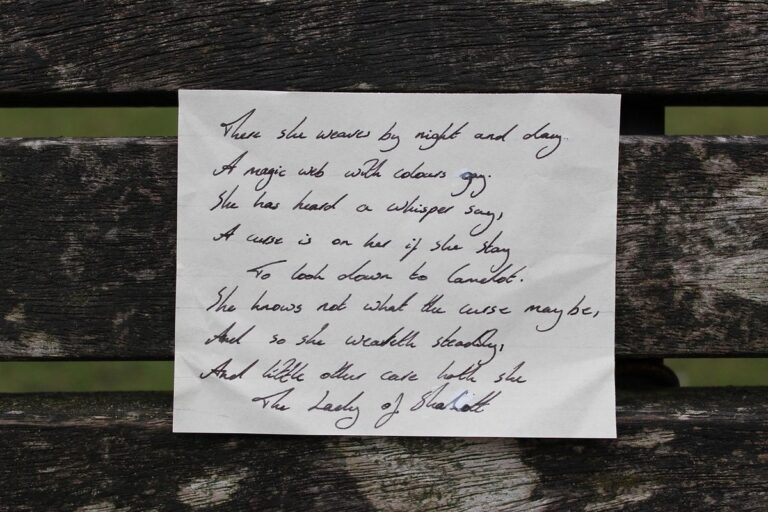
What a Limerick Song Actually Is (and How It Differs From a Poem) To write a limerick song, you start with the classic five-line AABBA poem, then map its bouncy…

What a Haiku Song Actually Is (And Why the 5-7-5 Rule Still Matters) When a poet asks me what is a haiku in music, I give a straight answer: it’s…

How to Use Imagery in Songwriting Without Wasting Your Best Lines If you want to know how to use imagery in songwriting, start with this: imagery is the sensory scaffolding…

If you want to know how to write a major key happy song, the short answer is: choose a bright key (G or D major, or Lydian for maximum cheer),…

Writing a minor key ballad that actually moves listeners means fusing minor-scale theory with ballad craft, not just writing a slow song in a minor key. Start by choosing a…
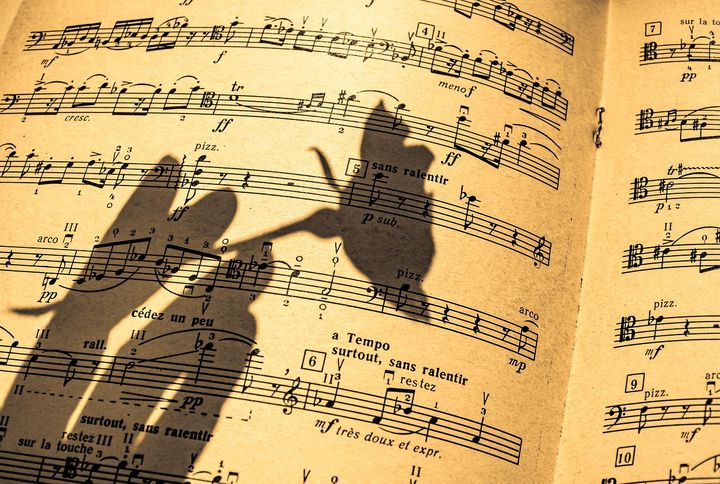
Music Theory for Songwriters Basics: The Minimum Viable Approach If you’re asking what music theory for songwriters is, think of it as a practical toolkit for choosing chords, scales, and…

If you want to know how to write a running playlist song, stop thinking about shuffling someone else’s hits and start thinking like a producer. You are composing a single…